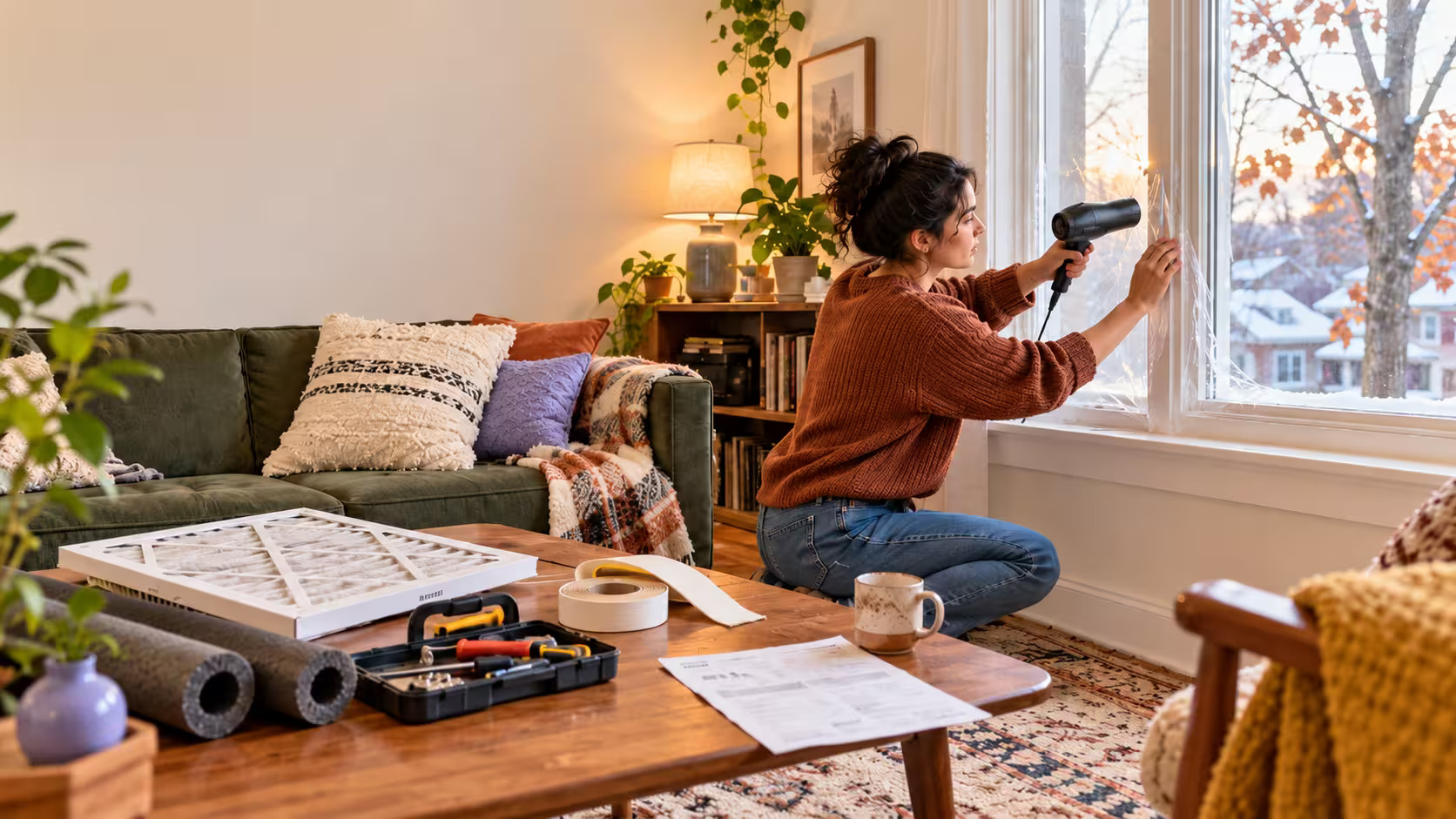







Juan Hernandez, an engineer on our team, recently bought his first house and remodeled it. He set a budget, did his homework, and still ran into costs he didn’t see coming. The stressful part wasn’t the work itself. It was realizing how many questions he hadn’t known to ask before the project started. Here's what he'd tell anyone about to start.
1. Don't assume the quote includes materials
This is the one that got him. Everyone always says a bathroom remodel costs about this much, so he assumed that number covered everything, labor and materials both. It didn't. The quote was for labor only. He was caught off guard by how much everything else added up to: the vanity, the shower, the toilet, and the fixtures nobody mentions.
The same pattern shows up with flooring, paint, countertops, cabinets, and fixtures. A labor-only quote can make a project look much cheaper than the final total, and you might not find out until you're standing in a store picking finishes. So ask every contractor point blank: labor only, or labor plus materials? If it's labor only, go price it all yourself to get an idea of the total cost. Decide what's happening now and what can wait while you still have the choice, not after the money runs out and the decision gets made for you.
One more timing lesson: price early, buy late. Juan bought two sliding pocket doors a month ahead of schedule, then learned the wall needed reinforcement before they could go in. By the time he knew he couldn’t use them, the return window had closed. He listed them on OfferUp and sold both.

2. Get more than one estimate
Three, if you can manage it.
One quote tells you almost nothing, because you've got nothing to hold it up against. Three tell you what the job actually costs where you live, and a bid that’s dramatically lower than the others is worth a closer look. Sometimes the scope is different, something is excluded, or the assumptions don’t match.
3. Check who you're hiring before you hire them
Start with a referral from someone you actually trust. No referral? Shortlist a few pros on OfferUp and vet them before you ever pick up the phone:
- Check their reviews, star rating, and look them up on Google, too.
- Read the bad reviews closely. Is the complaint about the quality of the work, or is someone being picky about something small? The first is a red flag; the second usually isn't.
- Look at photos of work they’ve actually finished, and ask questions if anything feels unclear or overly polished. You can also message a pro for examples closer to your own project.
One more flag: if a deposit is required, get explicit documentation of what it covers, when payments are due, and whether the payment schedule matches the work being completed. Requirements vary by location, so check your state’s contractor rules, too.
4. Get the scope in writing, then read it properly
If you're hiring a general contractor, get the full scope in writing and signed before anyone touches a wall. That document is your clearest record of what was agreed. If there's a disagreement later, and there might be, it's what you have to point at.
A good test: could someone who's never met either party read it and know exactly what's being done and what isn't? If not, it's too vague to protect you.
Worth having in there:
- What's included, room by room, and what isn't
- Who buys the materials, and what happens if prices move
- A payment schedule tied to stages of work, not to dates
- What happens if something unexpected turns up behind a wall
Reading it is boring. It's also the cheapest protection in the whole project.
5. Build a contingency into the budget
Juan went over his budget. Many people go over budget by about 20-30%.
It isn't that the estimates were wrong. It's that remodels uncover things. Plumbing that isn't up to code. Water damage nobody could see. A subfloor that has to come out before the new floor can go down. None of it appears in an estimate, because none of it is visible when the estimate gets written.
Give yourself a meaningful buffer for the unexpected. Without one, every surprise turns into a conversation about what's getting cut. The right amount depends on the age of the home, the scope of the work, and how much is still unknown when you start.
If you're at the stage of collecting quotes, you can browse general contractors on OfferUp and get free estimates.
Encabezado 1
Encabezado 2
Encabezado 3
Encabezado 4
Encabezado 5
Encabezado 6
Lorem ipsum dolor sit amet, consectetur adipiscing elit, sed do eiusmod tempor incididunt ut labore et dolore magna aliqua. Ut enim ad minim veniam, quis nostrud exercitation ullamco laboris nisi ut aliquip ex ea commodo consequat. Duis aute irure dolor in reprehenderit in voluptate velit esse cillum dolore eu fugiat nulla pariatur.
Cita en bloque
Lista ordenada
- Elemento 1
- Elemento 2
- Elemento 3
Lista no ordenada
- Elemento A
- Elemento B
- Elemento C
Texto en negrita
Énfasis
Superíndice
Subíndice
Encabezado 1
Encabezado 2
Encabezado 3
Encabezado 4
Encabezado 5
Encabezado 6
Lorem ipsum dolor sit amet, consectetur adipiscing elit, sed do eiusmod tempor incididunt ut labore et dolore magna aliqua. Ut enim ad minim veniam, quis nostrud exercitation ullamco laboris nisi ut aliquip ex ea commodo consequat. Duis aute irure dolor in reprehenderit in voluptate velit esse cillum dolore eu fugiat nulla pariatur.
Cita en bloque
Lista ordenada
- Artículo 1
- Artículo 2
- Artículo 3
Lista no ordenada
- Artículo A
- Artículo B
- Artículo C
Texto en negrita
Énfasis
Superíndice
Subíndice